Christmas Graphics: A Designer’s Embroidery Review
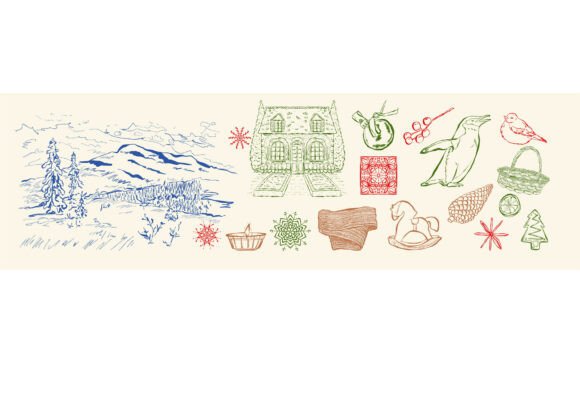
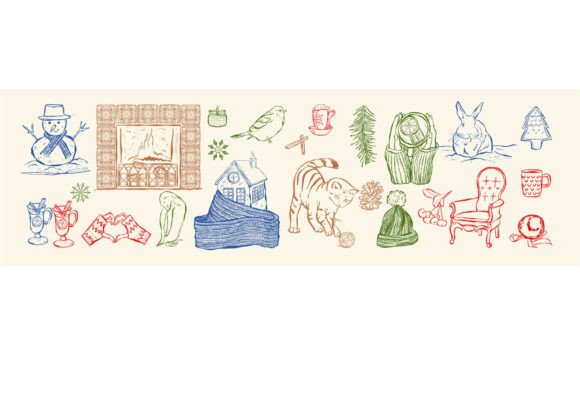
When I first opened the Christmas Graphics illustration set, I wasn’t just scrolling through a collection of seasonal artwork. I was picturing every single element under a needle and thread. As someone who digitizes and stitches for small shops, custom apparel, and handmade product lines, my first instinct is always the same: Will this actually look good on a finished product, or will it turn into a messy, dense blob of stitches? The vintage hand-drawn style of these winter and Christmas illustrations immediately caught my attention. The cozy home scenes, gentle animals, snowy landscapes, and classic holiday symbols have a warm, editorial feel — not the kind of sterile, clip-art look that floods the market every November. But realism in embroidery is a whole different world from what looks nice on a screen. So I took a designer’s lens to the set, thinking through real projects, real fabric, and real customer expectations.
First Impressions of the Cozy Winter Mood
The Christmas Graphics set reads like a storybook. There’s a softness in the linework that feels hand-inked, not digitally forced. Scenes of cabins with smoke curling from chimneys, bundled-up woodland animals, and delicate snowflake motifs carry a nostalgic, quiet holiday mood. That kind of character is gold for specialty products. I immediately thought about a set of embroidered tea towels I’m planning for a boutique winter market. The cabins and tree silhouettes, if digitized with a light running stitch and minimal fill, could give a clean, elegant look that doesn’t overpower the fabric. The mood is calm, refined, and genuinely charming — it would sit beautifully on natural linen, cream cotton, or even a soft bamboo blend.
However, the very detail that makes these Illustrations so appealing on paper also demands careful thought before any hoop touches the machine. The hand-drawn quality means fine, irregular lines, tiny flourishes, and subtle shading. That’s not a flaw; it’s a design feature. But in embroidery, every line becomes a stitch path. So I found myself mentally editing: which elements would I keep, which would I simplify, and where would I need to adjust stitch types to preserve the personality without creating a dense, stiff patch.
Translating Hand-Drawn Art into Stitch Files
These are vector Graphics, so they’re scalable and clean — a huge advantage when you’re moving from digital art to an embroidery file. I could easily isolate a single cabin, a pair of deer, or a wreath of holly, and adjust the size without losing quality. That’s not something you get with every illustration set. For embroidery, though, I always have to remind myself (and the shops I work with): vector art is not stitch-ready art. Someone has to do the digitizing, and that process defines the final look.
In my test thinking, I grabbed a few elements from the set and imagined them stitched onto a cream sweatshirt. The reindeer silhouette, with its antlers formed by delicate, organic lines, would work best as a single-color running stitch design — maybe a dark charcoal thread for a subtle, minimalist winter look. The full snowy landscape, though, with layered trees, a house, and falling snow, would need a mix of fill stitch and satin stitch borders to keep the shapes readable. If I tried to cram all that detail into a 4x4 hoop, the stitch density would get too high, and the fabric would pucker. So I’d likely reserve the more complex scenes for larger hoop sizes — a 5x7 or 6x10 — and use them on tote bags, pillow covers, or jacket backs.
Where This Design Shines in Embroidery Projects
I’ve been testing these design ideas in my head for a few specific product lines, and the Christmas Graphics set really opens up some strong small-business possibilities. The first one that came to mind was a set of personalized holiday kitchen towels. The simpler line-art animals — a fox, a rabbit, a small bird perched on a snowy branch — would stitch out beautifully in a single color on a flour-sack towel. That kind of gift item sells fast at craft fairs and on Etsy, especially when buyers see the hand-drawn charm in the finished embroidery.
Another natural fit is baby and toddler apparel. The cozy, sweet illustrations — without any sharp, overly busy edges — lend themselves to soft, gentle designs on onesies, tiny sweatshirts, or baby blankets. For these, I’d choose a soft thread palette, maybe a muted sage green or a warm oatmeal tone, and use a light fill stitch to keep the design flexible against delicate skin. The Graphics avoid the harsh commercial look, and that’s a huge trust signal for buyers who want handmade, heirloom-quality pieces.
For shops that sell embroidered patches, some of the smaller holiday symbols — like the sprigs of holly, snowflakes, or little gift boxes — can be digitized into compact, detailed patches that feel premium. Because the original linework is so clean, the patch edges would be crisp, and the satin stitch border would frame the shape nicely. I’d definitely test these on a denim jacket or a canvas tote before committing to a full production run.
Navigating Small Details and Fabric Challenges
Not every surface welcomes this kind of detailed artwork equally. I’d be cautious putting the more intricate, fully illustrated scenes on stretchy fabrics like t-shirt cotton or performance blends. The dense tree lines and layered snow details need a stable fabric base and the right cut-away stabilizer, or you’ll get shifting during stitching. I’d also avoid tiny hoop sizes for the landscape scenes — anything under 4x4 inches risks losing the charm of the hand-drawn details, and thin lines might disappear or become unrecognizable.
Dark fabric introduces another layer of consideration. On a black or navy sweatshirt, the cozy cabin scene might need a lighter thread to pop, but the subtle shading in the original artwork won’t translate directly. I’d simplify the design to a high-contrast outline, maybe with a few strategic fill areas, to keep the mood intact without losing clarity. The vintage style works in the designer’s favor here — it’s meant to feel a little imperfect, a little handcrafted. That means a well-digitized stitch file can look intentionally rustic, not poorly executed.
Thin, loosely woven fabrics like cheap tea towels or lightweight scarves are another trouble spot. The design’s finer lines might pull at the weave, causing distortion. A good water-soluble topping and a tight hoop can help, but I’d always recommend testing one sample on the exact fabric blend you’ll sell. That’s not a flaw of the Christmas Graphics themselves; it’s just the reality of working with any detailed embroidery design on tricky textiles.
Practical Notes for Embroidery Designers and Shop Owners
Before you digitize a single element from this set, there are a few things I’d flag from my own workflow. First, check the licensing. The Christmas Graphics are sold as vector illustrations for packaging, stationery, and editorial use. If you plan to put the finished embroidery on products you sell, you need to confirm that the license allows commercial use on physical goods. Most design asset licenses are clear about this, but I never assume. Always read the terms, and if it’s not explicit, reach out to the creator. That protects your shop and your reputation.
Second, test your digitized file on scrap fabric before you commit to a customer order. Adjust the stitch density so the design doesn’t feel like a stiff board. The cozy, soft mood of the original artwork will be ruined if the embroidery is bulky or overly dense. I’d aim for a lighter fill stitch in the larger areas and a single or double running stitch for the fine detail lines. Thread color contrast matters more than you might expect — a creamy white thread on natural linen might look elegant, but the same white on a bright white onesie could vanish. I always test one design in black and white on screen to check contrast, then do a real stitch-out in two thread colors before I finalize the file.
Also, think about the presentation. If you’re selling these as finished products, the vintage, storybook feel of the Christmas Graphics translates beautifully to flat lay photography. A simple setup with a linen towel, a sprig of pine, and soft natural lighting tells the buyer exactly what they’re getting: a handmade, thoughtful item. That kind of visual consistency builds trust and sets your small shop apart from mass-produced holiday decor.
Building a Product Line Around the Set
One of the smartest things you can do with a versatile illustration set like this is to create a cohesive mini collection. I’m thinking of a winter capsule for a craft business: a tote bag with the snowy cabin scene, a matching apron with a single deer motif, and a set of hand towels with the smaller snowflake and holly designs. The visual thread ties the products together, and buyers often grab multiple items for gifting. Because the Illustrations share a consistent hand-drawn style, the collection feels intentional, not random.
For Etsy sellers, the set also works well for digital product previews. You can use the Graphics to create printable mockups of your embroidery designs, showing customers how the finished stitch-out might look on a pillow or a baby blanket. That’s a subtle but powerful way to bridge the gap between a digital embroidery file and a tangible product, without having to stitch every single variation.
The Final Stitch on Christmas Graphics
After spending time mentally walking through projects, testing fabrics, and imagining the stitch paths, I’d say the Christmas Graphics set is a strong investment for embroidery designers who are willing to put in the digitizing work. The artwork is charming, versatile, and full of the kind of quiet, nostalgic mood that sells well in handmade markets. The hand-drawn quality gives it character; the vector format keeps it practical. You won’t get a ready-to-stitch file out of the box, but you get a solid foundation for creating original, beautiful embroidery designs that feel personal and professional.
If you’re a small business owner who wants to offer something beyond the mass-produced holiday look, these illustrations are a thoughtful starting point. Just remember to test thoroughly, simplify where needed, and respect the fabric you’re stitching on. Done right, the finished product will look like the kind of gift someone keeps for years — and that’s the whole point of good embroidery.